

Numbers Sharing Blessings
Parashat Nasso (Numbers 4:21-7:89)
One of the most iconic liturgical moments in Jewish tradition comes from Parshat Nasso, the Priestly Blessing (birkat Kohanim). In its original context (Num 6:22-27), this benediction was prescribed to be recited on the final day of the Levites’ ordination, to mark the occasion at which both they and the mishkan were ready for service. How fitting, then, that this year we read Nasso on the Shabbat immediately preceding the Hebrew College community’s celebration of our 5786 musmakhim/rabbinic ordainees.
Famously, our blessing is three-fold: “May God bless and protect you; may God shine God’s face upon you and be gracious towards you; may God lift God’s face towards you and give you peace” (6:24-26):
יְבָרֶכְךָ֥ יְהֹוָ֖ה וְיִשְׁמְרֶֽךָ׃
יָאֵ֨ר יְהֹוָ֧ה ׀ פָּנָ֛יו אֵלֶ֖יךָ וִֽיחֻנֶּֽךָּ׃
יִשָּׂ֨א יְהֹוָ֤ה ׀ פָּנָיו֙ אֵלֶ֔יךָ וְיָשֵׂ֥ם לְךָ֖ שָׁלֽוֹם׃
Many among us have special memories of this blessing. Something stirs in my soul when I hear it, most reliably on our three annual pilgrimage festivals: Sukkot, Pesach, and Shavuot. Four years on, I still cry when I remember the feeling of my mother’s hands pressing gently on my hair when she whispered this blessing to me on the pavement in front of O’Hare airport, as I prepared to move to Jerusalem for two years of study.
Following the injunction to share this blessing, we receive a curious postscript:
וְשָׂמ֥וּ אֶת־שְׁמִ֖י עַל־בְּנֵ֣י יִשְׂרָאֵ֑ל וַאֲנִ֖י אֲבָרְכֵֽם׃
Thus they shall link My name with the people of Israel, and I will bless them (6:27).
Who are “they?” The text, read closely, is ambiguous: Does “they” refer to the priests? The people of Israel? Only the men who were counted in the census?
Our tradition answers these questions with a three-fold Midrash, taken from Bemidbar Rabbah (11:8).
וַאֲנִי אֲבָרֲכֵם, לָמָּה נֶאֱמַר? לְפִי שֶׁנֶּאֱמַר (במדבר ו, כג): כֹּה תְבָרְכוּ אֶת בְּנֵי יִשְׂרָאֵל, אֵין לִי אֶלָּא בְּרָכָה לְיִשְׂרָאֵל, לַגֵּרִים לַנָּשִׁים וְלָעֲבָדִים מִנַּיִן, תַּלְמוּד לוֹמַר: וַאֲנִי אֲבָרֲכֵם
יָכוֹל אִם רָצוּ הַכֹּהֲנִים לְבָרֵךְ אֶת יִשְׂרָאֵל הֲרֵי הֵם מְבֹרָכִים וְאִם לָאו אֵין מְבֹרָכִין, תַּלְמוּד לוֹמַר: וַאֲנִי אֲבָרֲכֵם, שֶׁלֹא יִהְיוּ הַכֹּהֲנִים אוֹמְרִים אָנוּ נְבָרֵךְ אֶת יִשְׂרָאֵל. תַּלְמוּד לוֹמַר: וַאֲנִי אֲבָרֲכֵם, אֲנִי אֲבָרֵךְ אֶת עַמִּי, וְכֵן הוּא אוֹמֵר (דברים טו, ו): כִּי ה’ אֱלֹהֶיךָ בֵּרַכְךָ וגו.
הַכֹּהֲנִים מְבָרְכִים אֶת יִשְׂרָאֵל, מִי מְבָרֵךְ אֶת הַכֹּהֲנִים, תַּלְמוּד לוֹמַר: וַאֲנִי אֲבָרֲכֵם. הַכֹּהֲנִים מְבָרְכִים אֶת יִשְׂרָאֵל וַאֲנִי אֲבָרֵךְ אֵלּוּ וָאֵלּוּ, הֱוֵי: וַאֲנִי אֲבָרֲכֵם
“And I will bless them” – why is it stated? Because it is stated: “So you shall bless the children of Israel” (6:23), I have derived only a blessing for Israel; for proselytes [newcomers or strangers], for women, and for slaves: from where is it derived? The verse states: “And I will bless them.”
Is it, perhaps, that if the priests wish to bless Israel they get blessed, but if not, they do not get blessed? The verse states: “And I will bless them,” so the priests will not say: We will bless Israel. The verse states: “And I will bless them” – I will bless My people. Likewise it says: “For the Lord your God has blessed you…” (Deut 15:6).
The priests bless Israel; who blesses the priests? The verse states: “And I will bless them” – the priests bless Israel, and I bless both these and those. That is, “and I will bless them.”
This midrash teaches us that birkat kohanim is universal. It teaches us that, although the blessing travels through the priests, its ultimate Source is God. And it teaches us that no one, not even the blessers, will remain un-blessed. The deliberate ambiguity of the Torah’s phrase – “and I will bless them” – is both preserved and solved.
There is a special tradition at Hebrew College, in which, before the public blessings and instilling of trust by faculty in our graduating students, graduating students are blessed by their peers. In this way, the blessings are both vertical and horizontal.
As we gather this weekend to bless and celebrate our students soon to be ordained as rabbis, may we recognize this as a moment of celebration and blessing for the whole Jewish people. May our new rabbis be blessed with God’s protection, blessing, and peace as they continue their holy work of leading, guiding, and teaching Torah in the world.
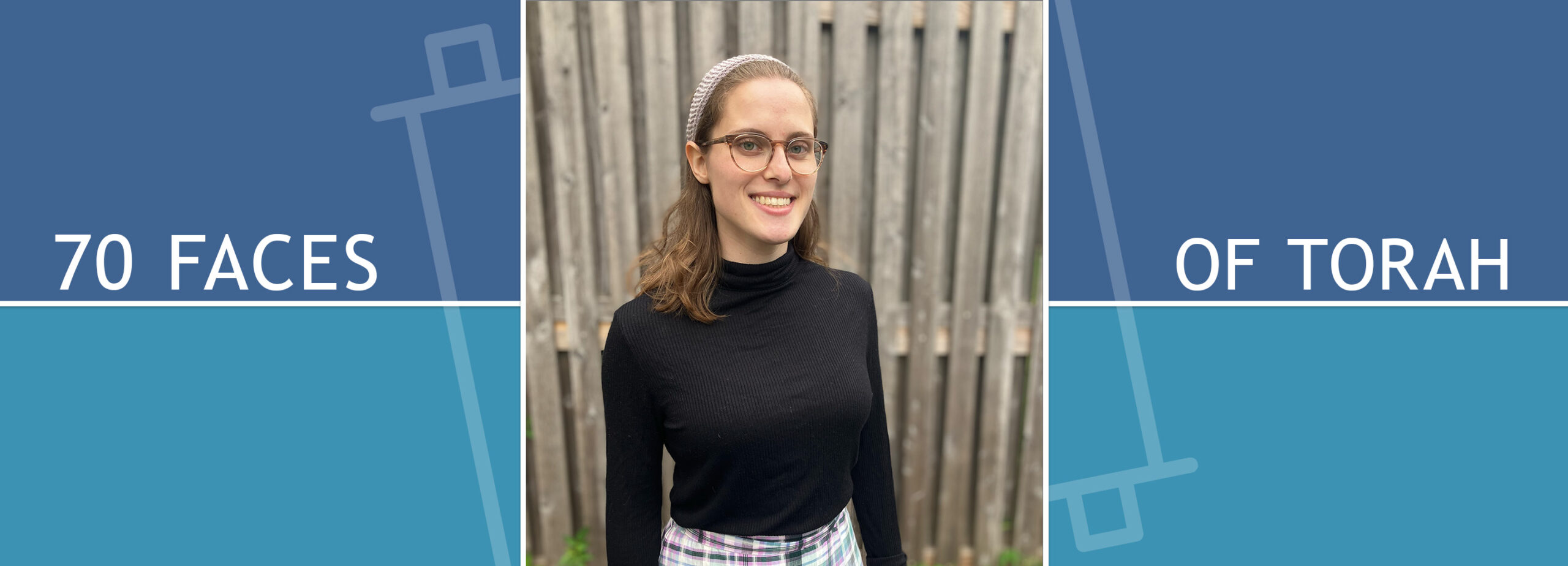
Alyssa Coffey (she/her) is a rabbinical student at Hebrew College, where she also serves as Editor of the 70 Faces of Torah blog. Prior to rabbinical school, she studied religion and history at Hampshire College, worked at a Jewish social service organization in Chicago, and spent two years studying in Jerusalem at Pardes. When not learning Torah, Alyssa is often knitting, spinning yarn, or solving puzzles.
Explore Graduate Programs Professional Development Support Our Work