

Jewish learning Meet Our New Adult Learning Faculty

With the beginnning of a new academic year, Hebrew College Adult Learning is welcoming several new teachers to our faculty! Covering subjects from Kabbalah and spirituality to Jewish leadership and Israeli culture, their courses will explore various dimensions of Jewish life. Inspired by their offerings, we got to know our faculty by asking them questions related to their upcoming fall classes.
Meet our new instructors and learn about their courses below.
Rabbi Matthew Ponak | Fall Course: The Four Worlds of Kabbalah
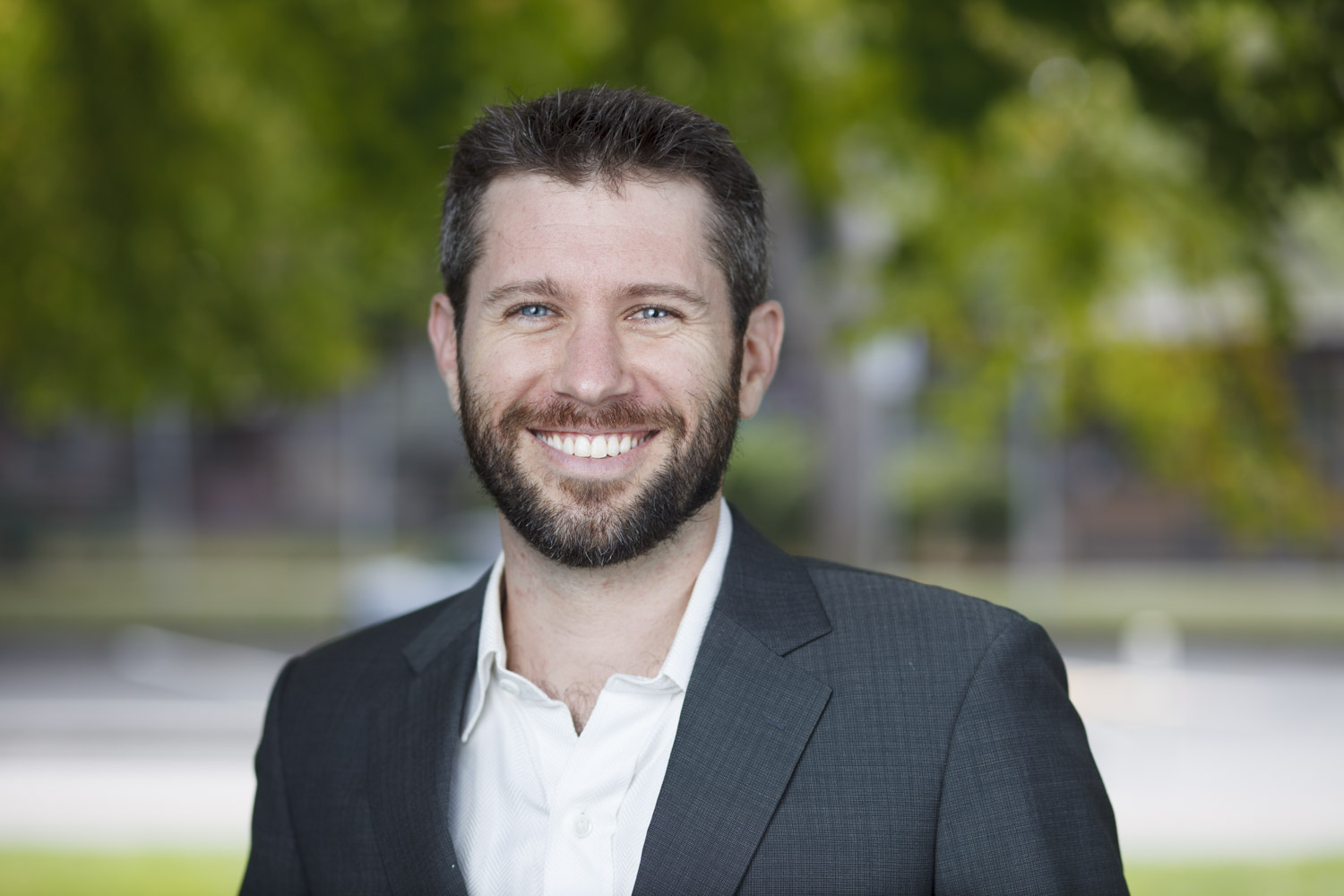 Q: How does the Kabbalah show up in your day-to-day living?
A: Lessons from Kabbalah remind me that every moment is an invitation to connect more deeply with presence, love, and beauty. The Four Worlds offer a practical map for relating to my body, emotions, thoughts, and spiritual life with greater intention, compassion, and hope.
Simon Klarfeld | Fall Course: Leadership & Judaism: Genesis to Groucho Marx
 Q: Who is a Jewish leader you consider a role model?
A: The Jewish leader who stands out for me is Jacob Birnbaum z”l, founder of the Student Struggle for Soviet Jews. At a time when most American Jews were silent about the persecution of Jews in the USSR, Birnbaum had the vision to see what others weren’t ready to see, and the resilience to build a movement almost from scratch. He didn’t just strategize from behind a desk — he mobilized thousands of young activists over three decades, showing up, organizing, and mentoring the next generation of leaders himself. The Soviet Jewry movement’s success owes an enormous debt to unwavering commitment, and he’s a model I return to whenever I think about what sustained, values-driven leadership actually looks like.
Rabbi Abby Sosland | Fall Course: Holy Emotions: Pathways to Holiness
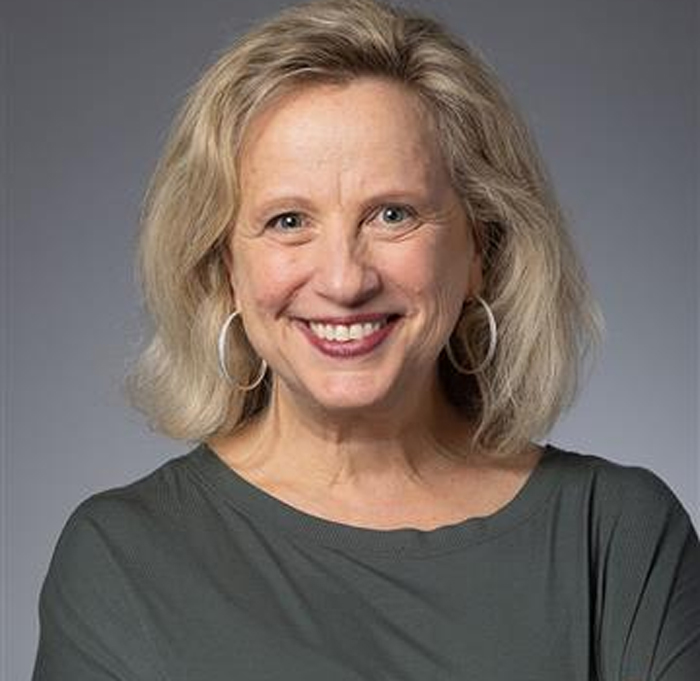 Q: What is your favorite story of “messy” emotion from the Tanach or other Jewish text?
A: Jewish tradition understands that desire, the kind that we might judge to be part of the “evil inclination,” can be both destructive and essential at one time. The Talmud relates a story that a people tried to “imprison” desire, only to realize that they could not find a single egg in the whole land; only with desire could any procreation happen. No emotion is all good or all bad, but it is how we channel it that matters most.
Osnat Lautman Mansoor | Fall Course: Israel: Nation of Innovation
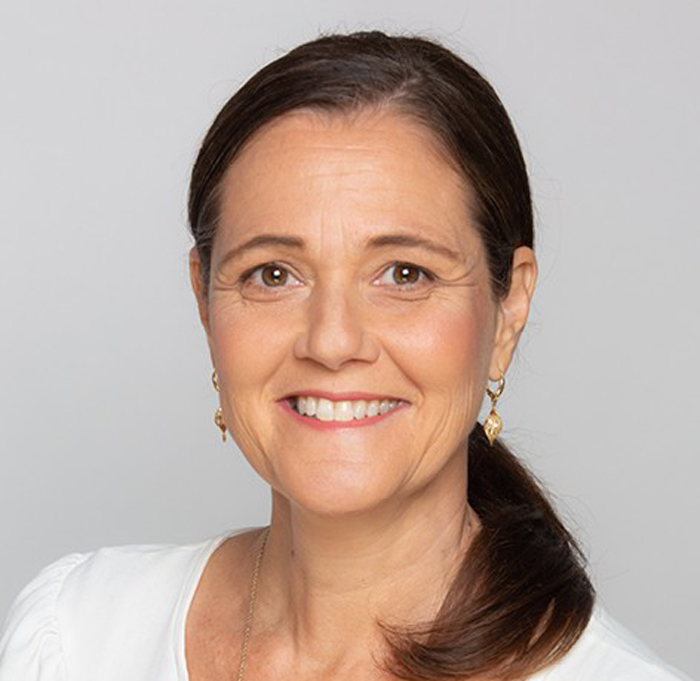
Q: What is a technology that was invented or developed in Israel that you cannot live without?
A: I’d have to say Waze. Beyond making travel easier, I think it represents something very Israeli. It’s all about solving complex problems with creativity, agility, and a genuine desire to help people. Those are qualities I also try to bring to my work every day.
Jacob Gillis | Fall Course: Israeli Music after October 7th
 Q: Who is your favorite contemporary Israeli musician? All time?
A: I would have to say that Benaia Barabi is my favorite Israeli musician of all time. Most of my listening over the years has been of contemporary Israeli music, so he is both my favorite contemporary and all-time artist.
Morgan Figa | Fall Course: From Whom Can We Learn
 Q: What makes a great teacher?
A: My very first year of teaching elementary school, my mentor teacher told me something that I think about a lot — she said the best teachers aren’t perfect every time, but they are able to notice and figure out when something isn’t working for a student. She taught me that the best teachers are attentive to each and every student, are willing to admit when something isn’t working, and always striving to make sure every single person in the classroom gets what they need
Dr. Alexandra Mandelbaum Kupeev | Fall Course: Women in Hasidism: Hidden or Heroines?
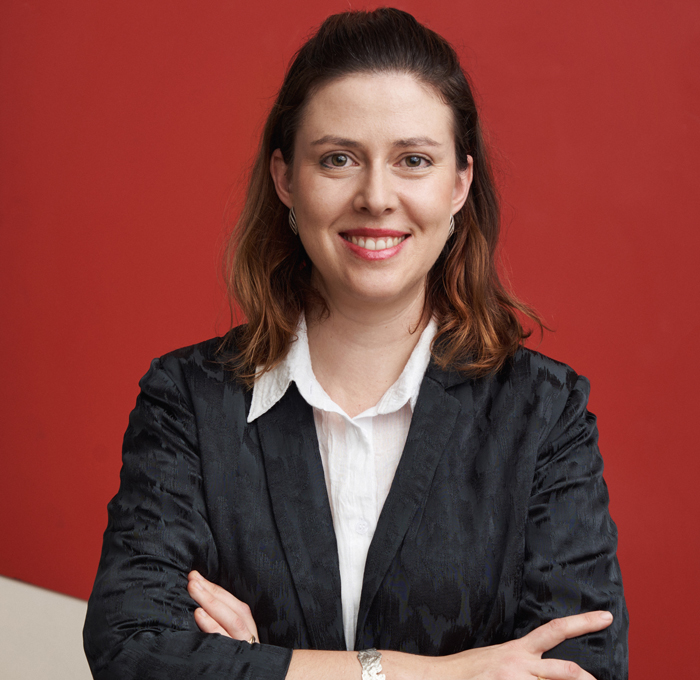 Q: Who is your Hasidic or Orthodox feminist role model?
A: I do not believe in role models, but rather in being inspired by observing living people and the choices they have made with freedom and agency. One such moment for me was the first time I entered a class on reading the Zohar, taught by Rabbi Menachem Froman together with his wife, Hadassa. The mystical space, traditionally a space from which women had been excluded, became a space of interpretive freedom. When Hadassa taught about the Shekhinah and the feminine dimensions of reality or divinity, I felt that the texts were finally being read in the original voice for which they had been written—and that, in many ways, they had “come home”. In my own teaching, I seek to preserve the personal voice of the learner and to reveal the way in which she interprets the text before her.