

Jewish learning Fall Exhibit Invites Artistic Conversation with Psalm 27
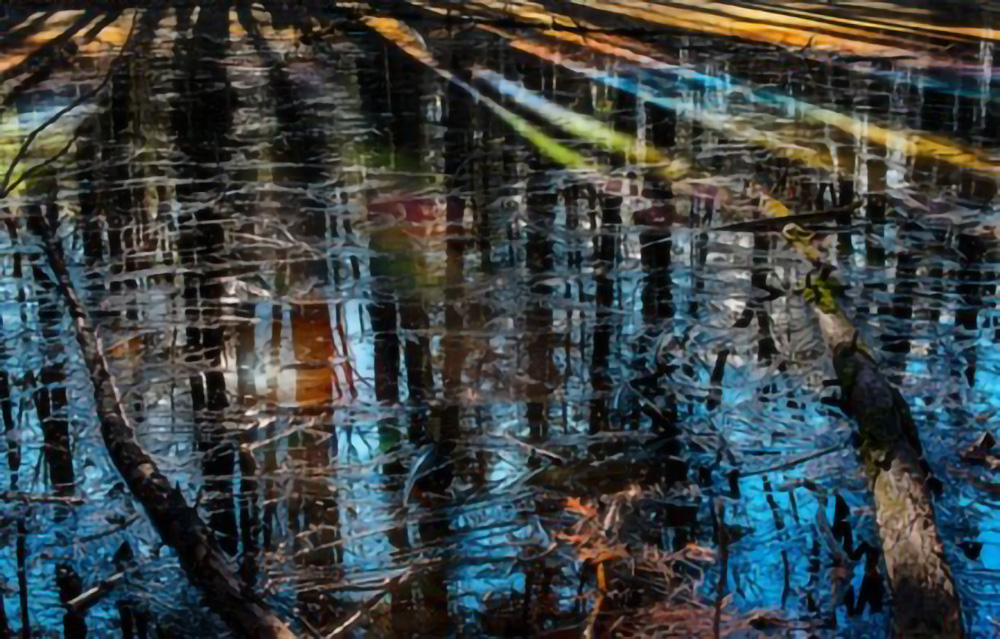
For generations, Psalm 27 has accompanied the Jewish people through the spiritual work of Elul and the High Holidays. Traditionally recited each day during this season of reflection and return, the ancient poem expresses enduring questions about fear, faith, and the search for the Divine. (pictured above: Rays of Awe, Emily Sper)
This fall, Hebrew College’s new exhibition, Psalm 27: A Dialogue with Text and Art, features pieces from eighteen artists working across painting, photography, sculpture, mosaic, printmaking, and mixed media. This is the Hebrew College Art Initiative’s first invitational exhibit, curating works from a variety of artists. Rather than seeking a definitive interpretation, the exhibition embraces the diversity of encounters inspired by sacred text. Together, the collection presents a remarkable range of creative responses inspired by a single biblical poem. Each artist brings a distinct visual language, aesthetic practice, and spiritual perspective to the psalm, creating works that stand on their own while participating in a larger conversation.
As visitors move through the gallery, they are invited into a conversation that has been inspired by Psalm 27 across generations. Through their various media, these artists demonstrate how the psalm continues to inspire new acts of reflection, creativity, and faith. “Each artist encounters Psalm 27 in their own unique way,” says Hebrew College Arts Committee Chair and contributing artist Deborah Feinstein. “All reach into themselves to seek connections with their traditions or spiritual pathways or universal thoughts. It is a broad, enveloping exhibition.”
Psalm 27’s complex spirituality and expansive emotional landscape echo the High Holiday season’s liturgy of sacred accounting and return. Traditionally attributed to King David, the psalm cycles through striking emotional registers—including resolve, fear, longing, and sincerity—invoking biblical war imagery, ritual practice, and legal metaphor while repeatedly directing the listener toward the strength of God. As Rabbi Or Rose of the Miller Center teaches in Calling Out From the Depths (a Hebrew College multimedia resource on the Psalms), this refusal to settle into a single emotional or theological register makes the psalm an ideal companion for the spiritual work of the season and provides fertile ground for artistic inspiration and response.
The breadth of those responses is apparent in the works. Joshua Meyer’s paintings begin with the psalm’s opening declaration, “The Lord is my light,” treating light itself as the foundation of perception and artistic practice. Deborah Feinstein’s Interwoven reaches back to the tradition of illuminated manuscripts, literally inscribing Psalm 27 into the artwork while weaving together symbols of Torah, prayer, and divine light. Elsewhere, Frann Addison transforms the opening verse into functional Judaica, hand-piercing the Hebrew words for “light,” “faith,” “courage,” and “strength” into a pair of pewter candlesticks. Though their visual languages differ dramatically, each artist finds a distinct point of entry into the same sacred text.
Other works linger with Psalm 27’s deeper emotional and spiritual tensions. Sandra Mayo’s The Heart and the Archive: A Sephardic Dialogue connects the psalm’s movement between fear, trust, concealment, and longing with Sephardic memory. Through gesture, Ladino, Rashi script, photography, and embroidery, Mayo’s works explore how faith and cultural identity are carried across generations. Marcie Scudder’s quilt-like triptych, Prayer is the Courage to Hope, reflects on the repeated practice of beginning again, weaving together fractured histories in search of wholeness. In Bette Ann Libby’s mirrored mosaics, cracked pieces become doves whose repaired forms speak to hope, refuge, and renewal. Linda Hoffman’s Show Me the Way places a solitary bronze figure within the gold-leafed interior of a hollow maple log, transforming the psalm’s plea for guidance into a quiet meditation on trust, shelter, and the search for God’s presence.
Hebrew College’s first invitational exhibit reflects the continued growth of the College’s Arts Initiative and its commitment to integrating art into Jewish learning and communal life. Since launching in 2021, the Initiative has presented exhibitions that invite viewers to encounter Torah, Jewish history, and spiritual practice through contemporary artistic expression. Psalm 27: A Dialogue with Text and Art builds on that vision by bringing together multiple artistic voices around a shared sacred text, demonstrating how art can deepen study, spark reflection, and create new pathways into Jewish tradition.
During the season of Elul and the High Holidays, Psalm 27: A Dialogue with Text and Art offers an opportunity to encounter this ancient text anew and grapple with its timeless themes. The exhibit opens on September 9 with a special reception and is available for exploration through December 18, 2026. Learn more and RSVP for the opening celebration.
Support Our Work Explore Graduate Programs Tamid Adult Learning Classes