

Rosh Hodesh A Message for Rosh Hodesh Iyar and the Counting of the Omer
During Passover this year, I found myself thinking about the opening mishnayot in Mishnah Pesachim. These teachings describe the times and places in which we are to search for chametz, wisely instructing us only to look in the places chametz is likely to be found and not engaging in an unending search. What I found so arresting was the Rabbis’ awareness of both the need to seek out chametz and the need to limit our search.
The teaching, as it has come to rest in me, is that chametz will always be in our homes and within ourselves. We clear out what we can and let go of what we cannot. In the process, we are invited to sit with the question: What might it take to shift some of our habits of heart and mind, to move from narrowness to expansiveness, to be less enslaved to Pharaoh and ever more deeply in the service of God?
This process, of course, does not end with Pesach. The Omer Period — during these 49 days from Passover to Shavuot — offers us a mediative and reflective space to continue to be attentive to the insights that emerged from our experience of leaving Mitzrayim.
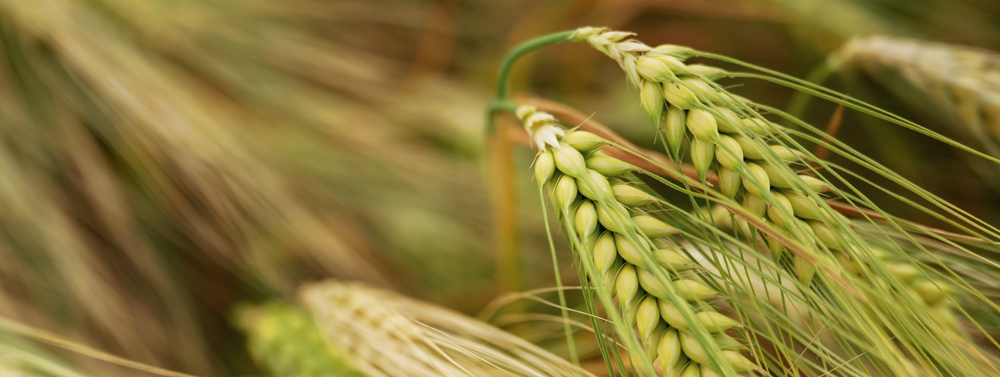
The word Omer is, after all, used to describe the amount of manna each person gathers each day (Exodus 16:16), the dry, unleavened measure of barley that we take to the Beit haMikdash to offer to God on Pesach (Leviticus 23:11) and the name of the period between Pesach and Shavuot that concludes with us offering leavened bread at the Temple on Shavuot (Leviticus 23:17).
Together, we can understand each of these images as evoking the gifts of insight that we are able to receive and to offer, as we grow into new forms of connection to God not only in moments of peak experience but within the day-to-day reality of our lives. With Sefirat haOmer, our tradition invites and expects us to extend the process of learning and discernment, giving the insights of the Passover season more time to take root and grow within us, as we prepare to receive Torah, once again, on Shavuot.
Finally, there are two important things I am holding close with the Omer count this year. One is the wonderful makhloket over whether to continue to say a beracha if we miss a day of the Omer. As I understand it, the discussion hinges on the nature of the Omer mitzvah. On the one hand, we bless each day of the Omer, a practice of appreciating and reveling in the place where we are, the journey to get here and the opportunities present to us now. The mitzvah, from this vantage point, seems to be in a sense 49 discrete mitzvot — each day a new mitzvah. On the other hand, we are heading towards Sinai and receiving Torah. Each particular day is inseparable from the larger whole and the long march ahead. From this perspective, the mitzvah is one continuous, if daunting, mitzvah that has 49 inseparable elements.
Those who say you can still say a beracha even if you miss a day lean towards the former perspective, while those who say you can’t, lean towards the latter. I personally follow the former practice but either way, our tradition is you are still supposed to count, with or without a beracha. The point is: stick with it.
The other is to note that meaningful and enduring change takes time. Whatever insights you were blessed to receive on Pesach about who you could become will certainly be furthered through the conscious and unconscious efforts you make in this time period. And, this transformation is the work of a lifetime. Only so much can happen in a few weeks. I see this as a time to be dedicated, but also realistic and gentle with ourselves.
May the process of growth and transformation throughout this Omer period be meaningful for all of us, and may we know that we do not journey to Sinai alone.
Shabbat Shalom and Hodesh Tov.
 Rabbi Daniel Klein `10, MJEd`10 is Dean of the Rabbinical School of Hebrew College in Newton, MA. He previously served as Dean of Students and Director of Admissions at the College.